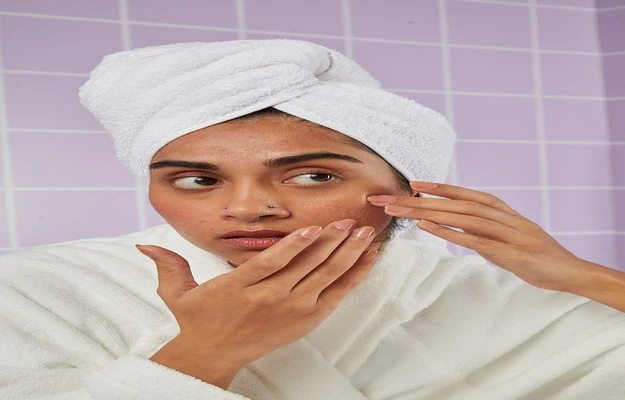
A pimple shows up, and you do what feels logical. Scrub harder. Wash again at lunch. Add a new serum, then another. Skip moisturiser, because your face is oily enough already.
A week later, your skin is redder, tighter and no clearer.
Most people assume acne responds to effort. It mostly responds to consistency, and to being left alone between steps. Below is a simple morning and night routine for acne-prone skin, along with the habits that quietly work against it.
What Acne-Prone Skin Is Actually Dealing With
Acne begins inside the pore. Oil (sebum), dead skin cells and bacteria can build up and block it, and the skin around that blockage becomes inflamed. That’s how you get blackheads, whiteheads and red, swollen pimples.
Notice what’s missing from that list: dirt. Acne isn’t a cleanliness problem, so cleaning more doesn’t solve it. Acne-prone skin tends to be sensitive, and washing it more than twice a day can irritate it and make breakouts worse.
So the goal isn’t to strip the skin. It’s to keep pores clear while protecting the skin barrier, the outermost layer that holds moisture in and keeps irritants out. A routine built around that idea tends to be short.
The Morning Routine: Three Steps, Five Minutes
Mornings are about removing overnight oil and getting skin ready for the day.
Wash with something gentle. Use lukewarm water, a mild cleanser and your fingertips. Not a washcloth, not a scrub. Scrubbing irritates acne-prone skin and can trigger flare-ups, even though it feels like you’re doing something useful. If you’d like a face wash made for acne-prone skin, Acnestar Face Wash is one option. Whatever you choose, check that it doesn’t leave your skin feeling tight or squeaky afterward. That tightness is irritation, not cleanliness.
Moisturise, even if you’re oily. Here’s the belief to retire: oily skin doesn’t need moisturiser. It does. Oily and dehydrated can happen at the same time, and dry skin is irritated skin, which raises the risk of more breakouts. Look for a light, oil-free moisturiser labelled non-comedogenic, which simply means it’s formulated not to clog pores. Gels and lotions usually sit better than thick creams.
Finish with sunscreen. Pick a broad-spectrum, oil-free formula with SPF 30 or higher. Some acne treatments can make skin more sensitive to sun, and sun exposure can also darken the marks pimples leave behind. Skipping this step is one of the most common routine gaps.
The Night Routine: Where Treatment Belongs
By evening, your face has collected sweat, sunscreen, pollution and possibly makeup. That’s the second and last wash of the day.
Cleanse again, and take makeup off properly. If you wear makeup or a water-resistant sunscreen, remove it first so your cleanser isn’t fighting a layer of product. Wash again after heavy sweating, such as after a workout. That’s the exception to the twice-a-day rule, not a licence to wash all day.
Apply your acne treatment to the whole area. This is the step people get backwards. Dermatologists generally advise spreading a thin layer of acne medication across all acne-prone skin, not just on the blemishes you can see. The reason is practical. Clogged pores begin forming before a pimple appears, so treating the entire area helps with existing spots and with the ones on their way. Over-the-counter options, including gels such as Acnestar Gel, are designed for this kind of daily use. Follow the label, and start slowly if your skin is sensitive.
Moisturise on top. Acne treatments can dry the skin, and dry skin is irritated skin. A light moisturiser keeps things comfortable enough that you’ll actually keep using the treatment.
One more rule worth stating plainly: be patient. Acne treatment needs time to work, and piling on too many products can stress skin and worsen acne. Pick a routine, use it consistently for several weeks, and then judge it. If you do add something new, add one product at a time, so you know what’s helping and what’s irritating.
Habits That Undo a Good Routine
Even a well-built routine loses to a few bad habits.
Popping pimples. Right now it feels like progress. It usually isn’t. Squeezing often makes acne worse and can leave marks that last far longer than the pimple would have. Treat it, then step away from the mirror.
Scrubbing and over-washing. Covered above, but it deserves repeating because it’s so common. More friction and more washing don’t mean clearer skin.
Using products that clog pores. Some makeup, skincare and hair products contain oils or other ingredients that can cause breakouts. Look for labels such as non-comedogenic or oil-free. Even then, some people still react to certain products, so you may need a little trial and error to find what works for you.
Touching your face. Hands carry oil and bacteria. Keeping them off your face is free and surprisingly effective, and it also helps you resist picking.
When a Routine Isn’t Enough
Many people manage acne with consistent skin care and over-the-counter treatment. But if your acne is severe, painful, leaving scars, or hasn’t improved after giving a steady routine a fair run, that’s the point to see a dermatologist. They can offer treatments a daily routine can’t.
The Bottom Line
An acne-prone skin care routine works best when it’s boring. Gentle cleansing twice a day, a light moisturiser, sunscreen by day, treatment at night, and enough patience to let it work. Skin that isn’t being scrubbed, stripped or constantly changed has a much better chance to settle.
Which part of your routine have you simplified, or are still tempted to overdo? Let us know in the comments.