A breakout shows up, and the instinct is to scrub. Stronger cleanser, more washing, maybe a rough cloth for good measure. The skin ends up tight, flushed and, strangely, no clearer than before.
That reaction is understandable and it’s mostly wrong. A face wash for acne-prone skin has a narrow job, and the gap between what people expect from it and what it can actually do is where the trouble starts. What follows covers what a cleanser can reasonably do, what to look for on the label, and how to wash without making things worse.
What a Face Wash Can and Can’t Do
Acne begins under the surface. Hormones, especially active during puberty, push the skin to produce more oil. That oil mixes with dead skin cells, a pore blocks, and inflammation follows. The pimple you see is the end of a process that started days earlier.
Which is why the old belief that acne comes from dirt doesn’t hold up. Poor hygiene and the wrong foods are not what cause it, as InformedHealth.org states plainly. You didn’t do this by being careless with your skin.
So the sensible expectation is modest. A cleanser removes surface oil, sweat, sunscreen and makeup. Some formulas also carry ingredients that work on clogged pores. It won’t dissolve acne by force, and scrubbing harder only adds irritation to a skin that’s already inflamed.
Start With the Base: Soap-Free and pH-Aware
Skin sits at a pH of about 5.5, mildly acidic. Ordinary soap is a different story, with a pH between 8 and 10, which is why it can irritate. For acne-prone skin, the reference recommends soap-free cleansing products with a pH close to the skin’s own.
Plenty of people still wash their faces with whatever bar is in the shower. The skin feels squeaky afterwards and that gets read as success. It’s closer to a warning.
On the label, look for a cleanser described as soap-free, gentle, or made for acne-prone or oily skin. Brands don’t always print the exact pH, so the practical test is how your face feels ten minutes after rinsing. Comfortable is good. Tight or stretched means the product is too harsh for you.
Reading the Actives
Two ingredients come up again and again in acne cleansers.
Salicylic acid is a beta hydroxy acid. It dissolves in oil, which lets it work inside the pore, where the blockage forms. Glycolic acid is an alpha hydroxy acid that acts on the surface, loosening dead skin cells before they pile up.
Acnestar Face Wash is built around this pairing, alongside calming plant extracts such as aloe vera, calendula and chamomile. That’s the kind of formula worth looking for: something that tackles clogging without leaving skin raw.
Antibacterial face washes are a separate category. They can help in mild acne, but they may irritate more sensitive skin. If your skin reacts easily, lean towards the gentler end.
Two practical points. Exfoliating acids can make skin more sensitive to sun, and sunscreen is recommended for everyone, acne or not. And if you’re pregnant, or already using prescribed acne treatment, check with your doctor before adding a new active.
The Myth Worth Dropping: “If It Stings, It’s Working”
It isn’t. Stinging means irritation, and irritated skin is inflamed skin, which is the opposite of what you’re after.
The reference is blunt about the cost of overdoing it. Touching or rubbing skin too much, and constantly trying new products, can make acne worse. Washing several times a day dries the skin out and irritates it further. Less is often more, in the source’s own words, and it holds up as a rule.
Give a new cleanser a fair run before judging it. Swapping products every week means you never find out what any of them does.
How to Wash, and What Comes After
Keep it plain.
Wash twice a day, morning and evening. Add one more rinse after heavy sweating if you need it. Use lukewarm water, a small amount of cleanser, and your fingertips. Rinse well and pat dry rather than rubbing.
Then moisturise. Oily skin still needs it, and dry skin from over-washing makes breakouts feel worse. The reference points to oil-in-water emulsions and moisturising gels, called hydrogels, for acne-prone skin, since greasy products can clog pores further. If a moisturiser feels heavy or leaves a film, it’s probably the wrong one.
If you use a leave-on treatment such as Acnestar Gel, apply it after cleansing, on dry skin, and follow the directions on the pack.
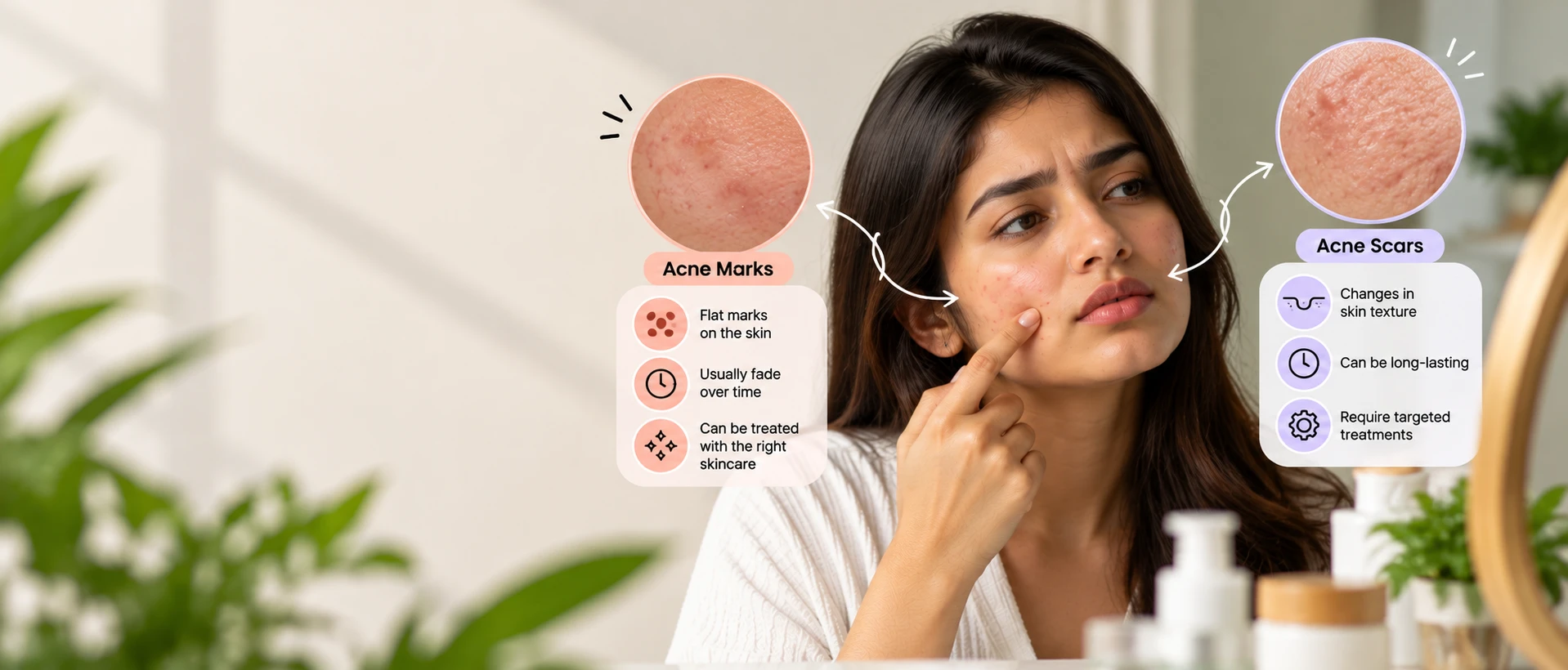
And leave the pimples alone. Squeezing can push the contents deeper and, done often, raises the chance of scarring.
Matching a Wash to Your Skin
A few starting points:
Oily, with blackheads and whiteheads: a salicylic acid face wash is a reasonable first choice.
Acne with dryness or flaking: try a gentle cleanser once a day, at night, and rinse with water in the morning.
Skin that reddens easily: add one product at a time, and patch test on a small area first.
If you’d like a structured way to think through your skin type and concerns, the Acnestar Skin Decode tool is there for that. And if acne is severe, painful, scarring or simply not responding to consistent care, a dermatologist is the person to see.
The Bottom Line
The right cleanser is rarely the strongest one. It’s the one gentle enough to use twice a day for months, with actives suited to your skin and a base that doesn’t fight your skin’s natural pH. Consistency does more than intensity ever will.
Have you tried a salicylic acid face wash? Tell us what worked for you and what didn’t.