Everyone has a theory about their chin. Toxins, gut trouble, a bad week. Face maps online will tell you each zone connects to a different organ, and they say it with total confidence. They shouldn’t. Acne starts in the pore, and where it lands on your face comes down to oil glands, hormones and whatever keeps touching your skin. Here’s what drives breakouts in each zone, and what to change.
Start With the Pore
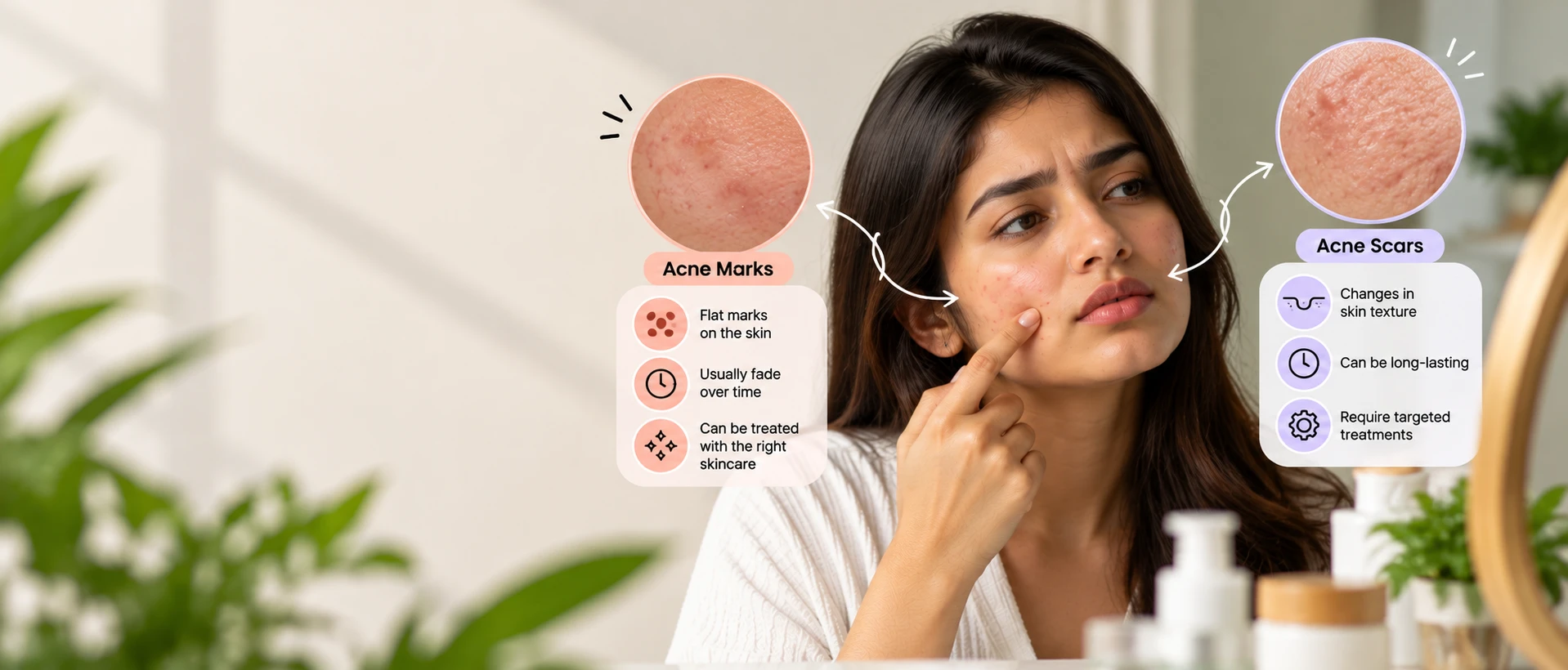
Every pimple begins the same way. Sebum, the oil your skin makes, mixes with dead skin cells and plugs a pore. What’s inside the plug decides what you see: whiteheads, blackheads, red pimples, or deeper nodules and cysts.
Hormones sit behind much of this. During puberty, androgens (hormones that enlarge your oil glands) push those glands to produce more oil, which is why teenage skin struggles. But acne doesn’t stop at 19. Adult acne is common, especially in women over 25, and some of them never had it as teenagers. Family history counts too. If a parent had severe acne, your own risk goes up.
If you’re not sure where your skin type fits before you build a routine, Acnestar’s Skin Decode tool is a reasonable place to start.
Forehead and Hairline
Your forehead shares a border with your hair, and hair carries oil, sweat and product. Pomades, hair oils and heavy conditioners drift onto the skin and add to the pore-clogging mix. Caps and headbands trap sweat and rub the area all day.
The usual mistake is overhauling your diet while the greasy hair product stays exactly where it is. Check your hair routine first. Keep oily products off your hairline, wash caps and headbands often, and rinse your face after you sweat.
Nose and Center of Face
The nose and the strip around it have a high concentration of oil glands, so pores clog here easily. When a clogged pore stays open at the surface, the plug darkens. That’s a blackhead.
And here’s the belief that needs to go: blackheads are not dirt. The dark colour comes from oil and dead skin reacting to air. Scrubbing harder won’t lift it. It just irritates skin that was never dirty, and irritated skin is not calmer skin.
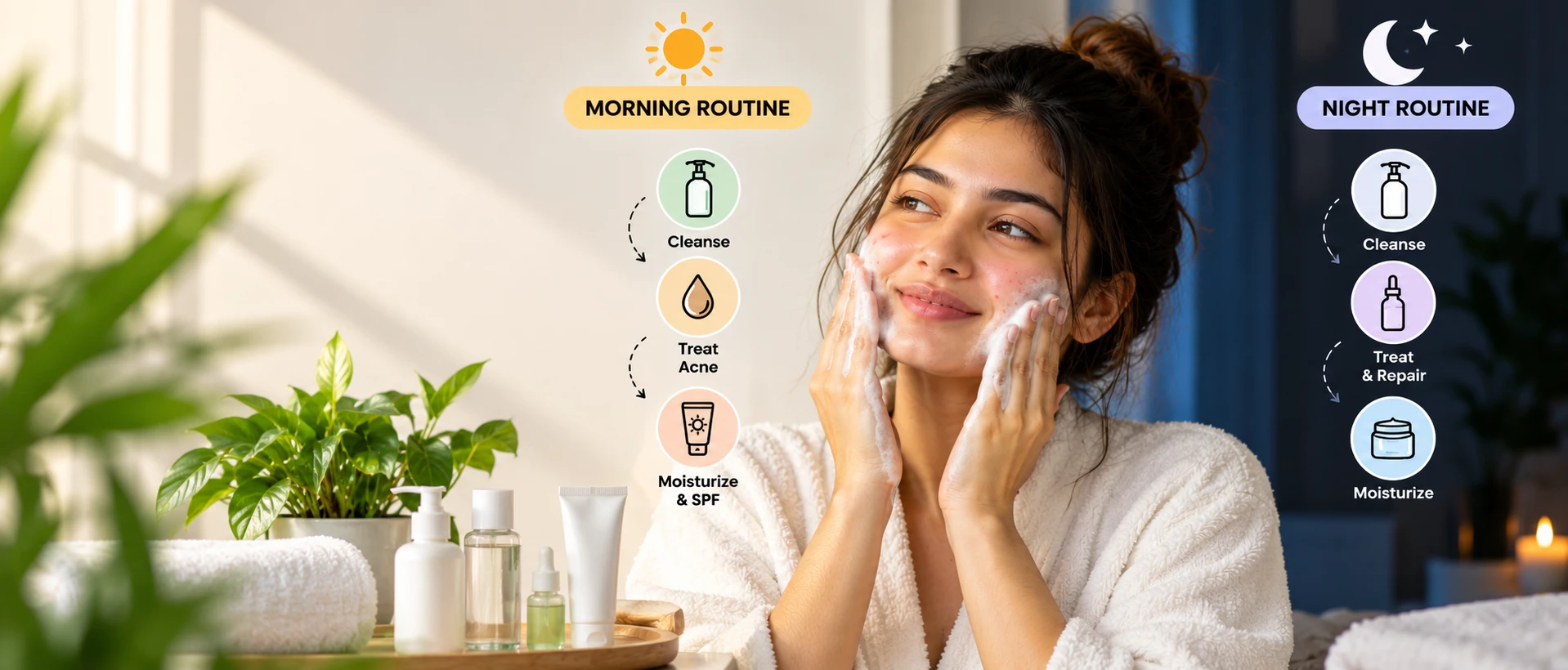
Wash gently, twice a day. Ingredients like salicylic acid, which works inside the pore, are commonly used for this zone. Don’t squeeze. It rarely clears anything and often leaves marks.
Cheeks
Cheeks take the most contact. Phone screens, hands, pillowcases, masks, makeup. Oily makeup and skincare products can add to clogged pores, and friction irritates the skin further. Breakouts on one cheek more than the other usually point to a habit, like the side you sleep on or the side you hold your phone.
Change your pillowcase regularly, wipe your phone, and keep your hands off your face. If you wear makeup or sweat a lot, cleanse properly afterwards. A gentle face wash such as Acnestar Face Wash fits this step, used twice a day. More than that dries the skin out, and dry skin doesn’t mean less acne.
Chin and Jawline
This zone is where hormones tend to get the blame, and often fairly. The oil glands here respond to androgens, so flare-ups can follow hormonal shifts and tend to appear as deeper, tender bumps instead of surface ones.
Stress deserves a precise mention. It doesn’t cause acne by itself, but it can make existing acne worse, and so can too little sleep. For some people, certain foods also seem to make breakouts worse, so keep a casual eye on patterns.
The mistake is hitting deep bumps with harsh, drying products. They start below the surface, so drying the top layer misses them. Stay consistent instead. A targeted spot treatment like Acnestar Gel, applied as directed on the pack, suits the occasional breakout. If you’re dealing with deep, painful bumps, scarring or acne that keeps returning, a dermatologist can offer treatment options that go beyond a home routine.
The Bottom Line
Your acne isn’t a coded message from your organs. It’s a pattern of oil, friction and hormones, and two of those three you can influence. Work out what’s touching, clogging or provoking each zone, and the guessing stops.
Which part of your face gives you the most trouble?