Somebody breaks out and the first thing everyone says is "you must be eating too much junk." Chocolate gets blamed. So does pizza, fries, and basically anything fried or sweet. It has been repeated so often that most people just accept it as fact.
Except the truth is a bit more complicated than that. Some of these food myths do not hold up to actual research, while a few specific things really do play a role in breakouts. Let us separate what is fact from what is just something your aunty heard once and never questioned again.
So, Does Junk Food Actually Cause Pimples?
Not in the simple way most people think. There is no solid research showing that chocolate, fried food, or gluten directly causes acne in most people. A lot of this just comes from old assumptions that got passed around enough times to feel like fact. But diet and acne are not entirely unrelated either. The real link has more to do with blood sugar and inflammation than any one food. Acne is an inflammatory condition at its core, so when your blood sugar keeps spiking again and again, this is largely driven by insulin and IGF‑1 hormonal pathways that increase oil production and inflammation in the skin.
So while a slice of pizza will not single-handedly give you a pimple cause overnight, a diet that is consistently high in sugar and refined carbs can absolutely contribute over time.
Myth 1: Chocolate Causes Pimples
This is probably the most repeated skin myth out there. Research has not found a direct link between chocolate or cocoa and acne. The confusion likely comes from the fact that most chocolate, especially milk chocolate, is loaded with added sugar, and sugar is where the real issue lies. Evidence is mixed; some studies show worsening, but not a definitive cause.
If you love chocolate, switching to dark chocolate with less added sugar is a reasonable middle ground rather than cutting it out completely.
Myth 2: Greasy and Fried Food Cause Pimples
A lot of people are convinced that eating oily food directly causes oily, broken-out skin. It makes intuitive sense, but research does not actually back this up. There is no solid evidence that fried or greasy foods cause acne or make it worse on their own.
There is one genuine catch here though. If you are eating greasy food with your hands and then touching your face, that oil can transfer onto your skin and clog pores. So the food itself might not be the issue, but the habit around it can be.
Myth 3: Gluten Is Bad for Your Skin
Going gluten-free for clear skin is one of those claims that sounds convincing but does not really have the science to back it up. If you do not have celiac disease or an actual gluten sensitivity, there is no good evidence that giving up gluten is going to do anything for your acne. And cutting out food groups for no real reason can backfire too, sometimes leading to nutrient gaps or an unhealthy relationship with food.
What About Dairy?
Dairy is the one area where research is genuinely mixed. Some studies suggest a possible link between dairy consumption and acne, likely connected to how dairy affects certain hormones and oil production. But the evidence is inconsistent, and it does not affect everyone the same way. Some evidence suggests milk, especially skim milk, may have a stronger association than other dairy products like cheese or yogurt.
If you suspect dairy is a trigger for you specifically, it might be worth temporarily cutting it out and watching how your skin responds over a few weeks, ideally with guidance from a dietitian or dermatologist. Responses to food are highly individual, which is why some people notice clear triggers while others do not.
The Food Cause That Actually Has Evidence: Sugar and Refined Carbs
This is the part most people skip over because chocolate and fries get all the attention. Diets high in refined carbohydrates and added sugar are genuinely linked to a higher likelihood of acne, though the effect varies and is not seen in everyone. This ties back to blood sugar spikes and inflammation, both of which can worsen breakouts. This is the most consistently observed dietary association, although evidence is still evolving and not conclusive for all populations.
Pimples Food to Avoid List
If you are looking for a practical avoid food for pimples list, here is what is actually worth being mindful of:
- White bread, white rice, and other refined, high-glycemic carbohydrates
- Sugary drinks and sodas
- Heavily processed snacks loaded with added sugar
- Excessive sweets and desserts eaten frequently
- Ultra-processed packaged junk food in general, due to its overall high sugar and refined carbohydrate content
This is not about cutting out every food you enjoy. It is about noticing patterns, especially if you eat a lot of sugary or refined food regularly and also deal with frequent breakouts.
Pairing better food choices with the right skincare matters too. If sugar or refined carbs have been triggering breakouts for you, a consistent routine with AcneStar Gel can help target active pimples, blackheads, and whiteheads while you work on the dietary side.
What Actually Helps More Than Cutting Out Foods
Instead of obsessing over one specific food that gives you pimples, focus on your overall eating pattern. A diet with consistent meals every few hours, a mix of protein, healthy fats, fibre, and vegetables tends to keep blood sugar more stable, which is genuinely useful for skin.
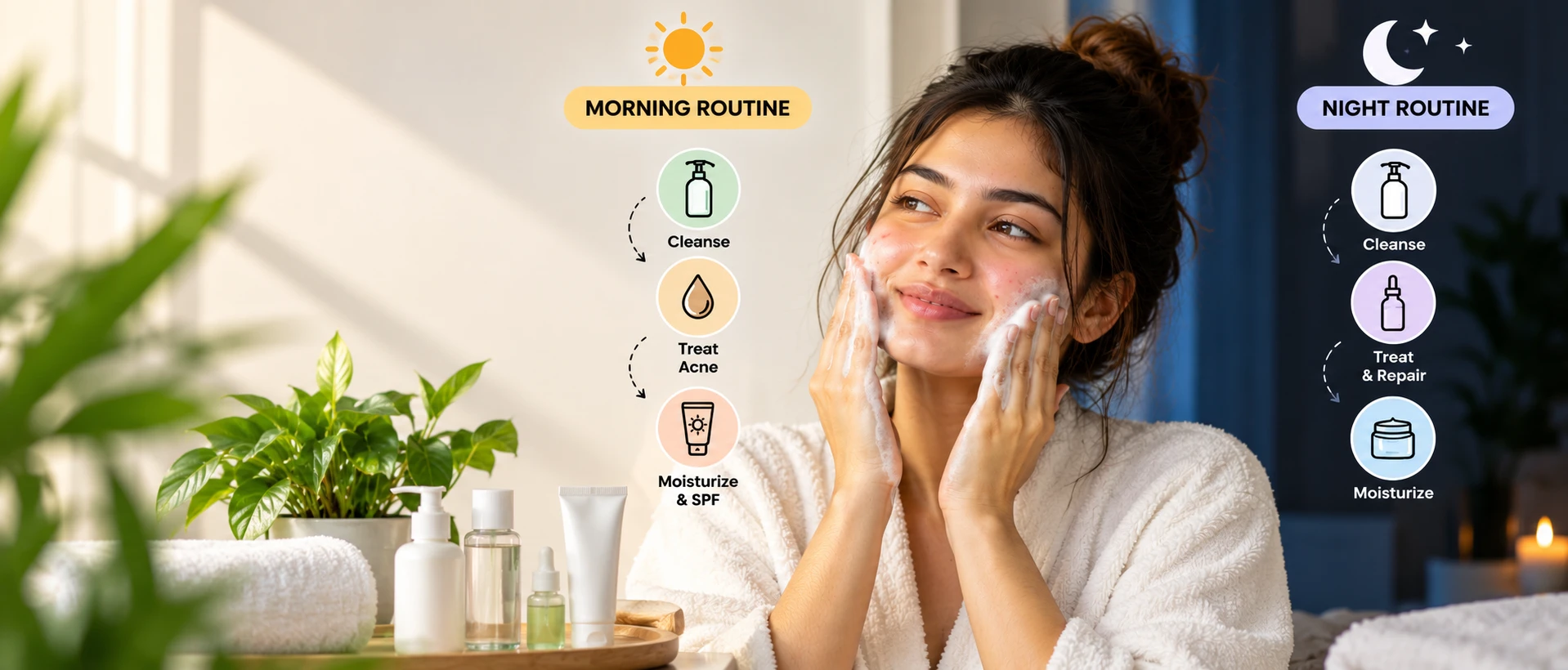
Alongside this, your skincare routine still matters a lot. Diet alone will not clear up acne if your cleansing routine is not addressing your skin type. Acnestar's Skin Decode tool can help you figure out what your skin actually needs, which works well alongside any dietary changes you are making.
The Bottom Line
Junk food is not the dramatic villain it gets made out to be when it comes to acne. Most individual foods like chocolate, fried snacks, and gluten do not have strong evidence linking them to breakouts. What does matter is your overall pattern, especially how much sugar and refined carbs you are eating regularly.
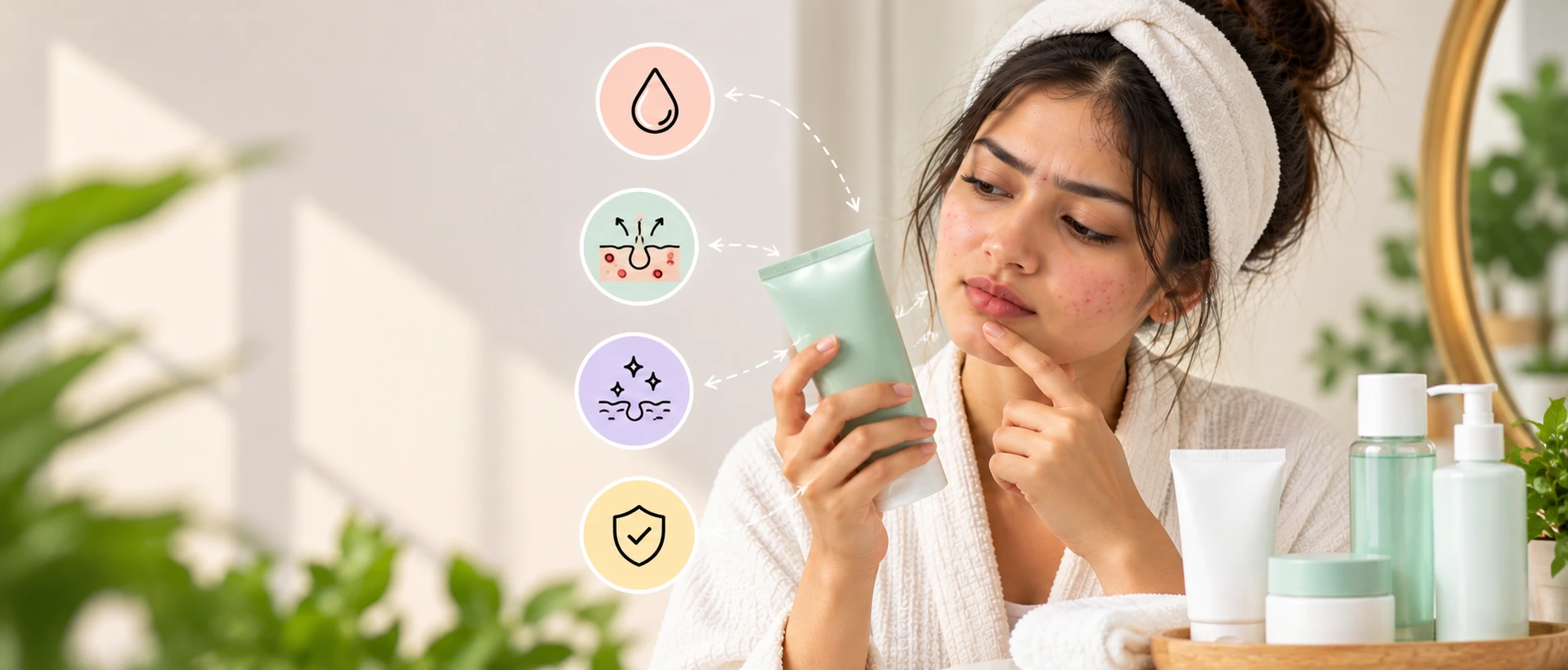
If you are dealing with persistent acne despite eating reasonably well, the cause might be more about your skincare routine than your diet. A face wash suited to your actual skin type, like the options in Acnestar's face wash range, can make a noticeable difference alongside any food changes you decide to make.
Eat well because it is good for you overall, not because one slice of pizza is going to ruin your skin. And if breakouts are persistent, it might be worth looking at your skincare routine just as closely as your diet.
-1792656529.webp)