Most people go hunting for one fix. A cleanser, a serum, something to add to the cart. But acne has many causes, and how you treat your skin on an ordinary Tuesday counts for more than most of us admit. If you want to know how to prevent acne breakouts, the honest answer is a little unglamorous: a handful of habits, repeated. Here are ten, based largely on guidance from the American Academy of Dermatology (AAD).
1. Wash your face gently, up to twice a day
Cleansing clears away oil and sweat that sit on the surface, which is why it comes first. The AAD recommends washing up to twice daily with a gentle, non-abrasive cleanser, applied with your fingertips. Washcloths, sponges and scrubbing tools can irritate skin. More scrubbing doesn’t make skin cleaner. It makes it angrier.
2. Wash again after you sweat
After a workout, a long walk in the heat, a packed commute. Sweat settles on the skin alongside oil, and the AAD includes washing after sweating in its basic acne care advice. The same rules apply: mild cleanser, fingertips, no scrubbing.
3. Choose gentle, alcohol-free products
Check the label. Dermatologists advise using gentle products, including ones marked “alcohol-free,” because harsher formulas can irritate skin that is already struggling. A sharp tingle isn’t proof that something is working. If your skin stings every time you use a product, that’s worth noticing.
4. Go easy on astringents, toners and exfoliants
The AAD names these three specifically as products that can dry the skin and make acne look worse. They’re tempting when your face feels oily, since they promise a tighter, cleaner finish. But when skin is already breaking out, simplifying usually beats adding steps.
5. Shampoo regularly if your hair gets oily
Here’s one people miss. Oil from your hair can cause acne on the forehead, according to the AAD. If your hair runs oily, shampooing more often than you do now may help. Plenty of people spend months fine-tuning their face routine without ever considering what rests against their forehead all day.
6. Keep your hair off your face
Related, but separate. The AAD also suggests keeping hair away from your face. Tie it back, clip it, sweep it off the forehead, especially on oily-hair days. Small change. No cost.
7. Stop touching your face
Touching your face throughout the day can cause acne to flare, the AAD notes. It’s a hard one, because most of it is unconscious: a chin resting on a hand, fingers drifting to a cheek while you read. Start by simply noticing. Stopping comes later.
8. Don’t pick, pop or squeeze
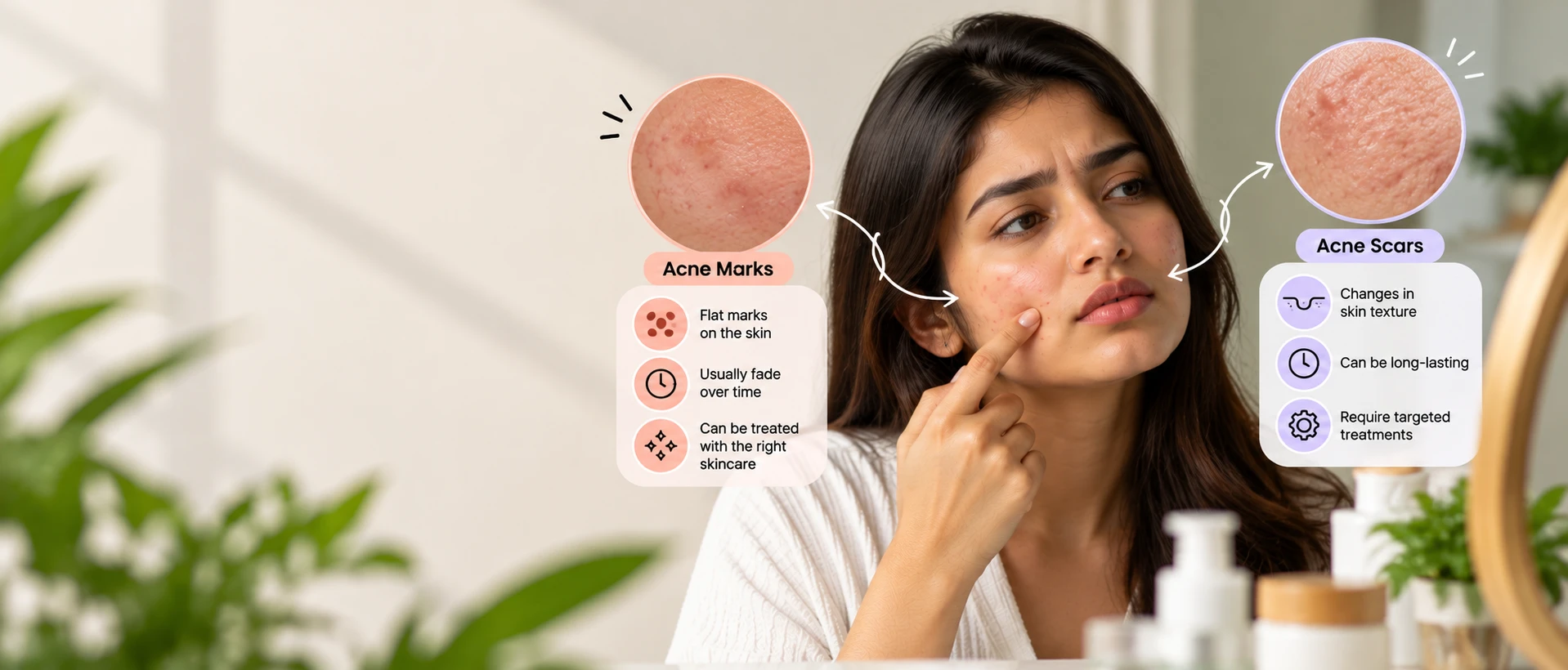
Everyone knows they shouldn’t. Everyone has. The trouble is that picking makes acne take longer to clear and raises the risk of scarring and post-inflammatory hyperpigmentation, the dark spots that can linger after a pimple has healed. A pimple that’s left alone has a better chance of leaving nothing behind.
9. Protect your skin from the sun
Tanning damages skin and can make acne worse, and the AAD advises avoiding tanning beds as well as deliberate sun exposure. Some acne medications also make skin more sensitive to ultraviolet rays. So seek shade, wear protective clothing, and apply a broad-spectrum, water-resistant sunscreen with SPF 30 or higher to exposed skin. Look for one labelled “non-comedogenic” or “won’t clog pores.” Clothing with a UPF number on the label offers more reliable protection.
10. Stick with your routine and give it time
Switching products constantly can irritate skin and trigger breakouts of its own. The AAD says acne treatments can take several weeks to a few months before you see a difference. Frustrating, yes. But a routine you change every ten days never gets a fair test.
The Bottom Line
None of these habits is clever. That’s rather the point. Acne has many causes, and no single routine suits everyone, but gentle handling, daily sun protection and patience make a sound foundation. If you still see breakouts after following these steps, a board-certified dermatologist can treat existing acne, help prevent new breakouts and lower the chance of scarring.